

PPO & Bundled Coverage: The Small Business Advantage in 2026

It’s February 2026, and small business owners are feeling it.

Premiums are rising. Deductibles are climbing. Marketplace networks are tightening. And if you have anywhere from 2 to 99 employees, you’re stuck in that frustrating middle ground — too big to ignore benefits, too small to absorb massive group plan costs.
So what’s the move in 2026?
For many businesses, it’s PPO-based private coverage bundled with supplemental protection — a smarter, more flexible strategy than traditional marketplace-only plans.
Let’s break it down.
The 2026 Small Business Reality
Small employers are dealing with:
Higher ACA marketplace premiums
Narrower provider networks
High deductibles before coverage kicks in
Limited flexibility in plan design
Employees frustrated by referral requirements and restricted access
If you’re competing for talent — especially skilled workers, contractors, or professionals — offering a “bare minimum” bronze plan with a $7,000+ deductible just doesn’t feel competitive anymore.
You need something that feels stronger without crushing your budget.
Why PPO Matters More Than Ever
A PPO (Preferred Provider Organization) plan offers advantages that many marketplace HMOs simply don’t:
1. No Referral Headaches
Employees can see specialists without jumping through referral hoops.
2. Broader Provider Access
PPO networks are typically wider, giving employees more freedom in choosing doctors and facilities.
3. Flexibility for Modern Workforces
Remote employees. Traveling sales teams. Multi-state operations.
PPO plans tend to accommodate mobility better than localized marketplace networks.
For small business owners, that flexibility becomes a recruiting advantage.
The Power of Bundled Coverage
Here’s where 2026 gets interesting.
Instead of relying solely on one expensive major medical plan, many businesses are turning to bundled private coverage strategies.
One example is Affordable Choice from ManhattanLife — a plan design that focuses on first-dollar benefits and practical coverage where people actually use it.
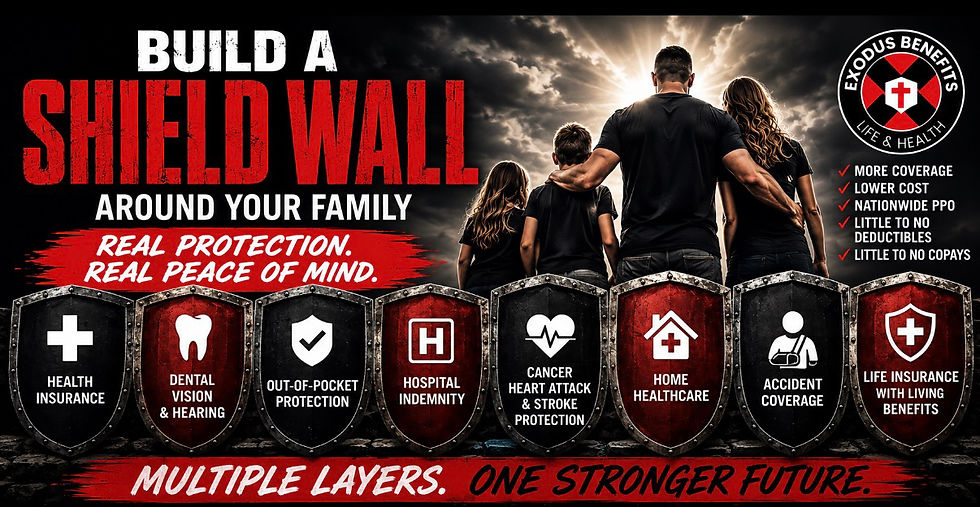
When structured correctly, businesses can combine:
A PPO-based medical plan
Supplemental hospital coverage
Gap coverage
Accident coverage
Dental & vision
The result?
A layered protection strategy that:
Reduces exposure to high out-of-pocket events
Improves day-to-day usability
Controls premium costs
Feels more robust to employees
It’s not about replacing coverage — it’s about structuring it smarter.
Why This Strategy Works for 2–99 Employee Groups
Small business owners need three things from benefits:
✔ Predictable Costs
Bundled PPO solutions can be structured to provide stability versus volatile marketplace renewals.
✔ Employee Retention
Better coverage equals happier employees.
Happier employees stay longer.
✔ Competitive Recruiting
If you’re hiring against larger companies, offering strong benefits can level the playing field.
In 2026, benefits are no longer optional for growth-minded small businesses.
They are a strategic tool.
The Hidden Cost of “Cheapest” Coverage
Many business owners default to the lowest-premium marketplace plan.
But here’s the problem:
Low premium often means:
Very high deductible
Limited network
Frustrated employees
Coverage that doesn’t feel usable
If your employees avoid using their insurance because it’s too expensive to access care, is it really a benefit?
Bundled PPO strategies aim to create usable coverage — not just technically compliant coverage.
Who Should Consider This in 2026?
This approach is especially strong for:
Small businesses with 2–99 employees
Construction companies
Trades & contractors
Professional services firms
Family-owned businesses
Employers competing for skilled labor
Companies tired of renewal shocks
If you don’t qualify for heavy ACA subsidies and you want more control over your benefits strategy, this model deserves a serious look.
The Strategic Advantage
Small businesses that think strategically about benefits win long term.
In 2026, that means:
Understanding private PPO options
Exploring bundled protection models
Comparing marketplace vs private intelligently
Structuring plans around how employees actually use healthcare
This isn’t about hype.
It’s about modernization.
And if you’re a small business owner who wants to design benefits like a CEO — not like someone checking a compliance box — this may be the smartest shift you make this year.
If you’d like help evaluating whether a PPO bundled strategy makes sense for your company, reach out to Exodus Benefits and have a real comparison done side by side.
In 2026, smarter structure beats louder marketing.
Better coverage.
Better flexibility.
Better long-term results.


Comments